Ways To Remember
Memorial Gifts: Thoughtful Ways to Remember Someone
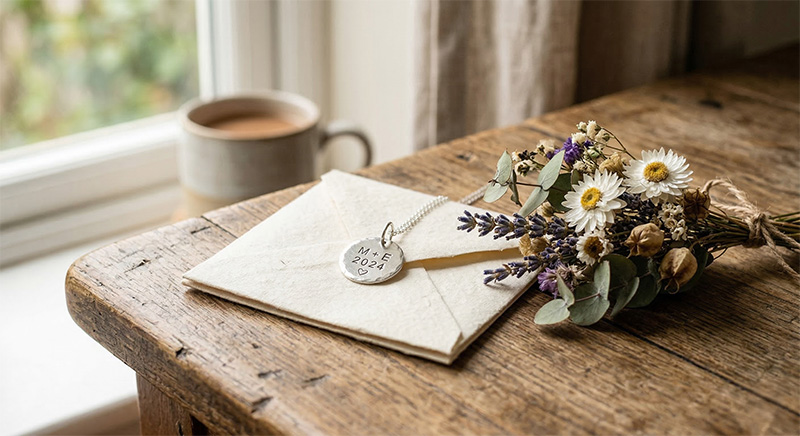
A memorial gift is not really about the object. It is about the intention behind it: the decision to mark a loss in a way that keeps the person present, or that says to someone else, I know who you are missing and I have not forgotten.
Memorial gifts come in many forms. Some are given to a bereaved person by someone who wants to show they care. Some are chosen by a bereaved person for themselves, a way of holding onto something of the person they have lost. Some are given in memory of someone at a significant occasion, a birthday, an anniversary, a Christmas. Some are practical. Others are purely symbolic.
This guide is for anyone wondering what kind of memorial gift might be meaningful, whether you are choosing something for yourself or for someone else. It covers the different kinds of memorial gifts available, how to think about what is right for a particular person, and some thoughts on the occasions when a gift in memory of someone tends to mean the most.
What Makes a Memorial Gift Meaningful
The most meaningful memorial gifts tend to have one or more of the following qualities. They are specific to the person who has died rather than generic. They are chosen with the recipient in mind rather than selected from a standard list of sympathy gifts. They acknowledge the loss directly rather than sidestepping it. And they last, or return, or have a permanence that ordinary gifts do not.
Specificity is probably the most important of these. A gift that contains the person’s name, or a date that mattered, or a detail drawn from who they specifically were, tends to mean far more than something beautiful but generic. It says: I knew this person. I know what they meant to you. I chose this because of them, not in spite of not knowing what else to give.
This is also why the most meaningful memorial gifts are often the simplest. A handwritten letter that recalls a specific memory of the person. A photograph printed and framed. A recipe written out in someone’s handwriting. These things cost very little and carry a great deal, precisely because they are particular rather than general.
Memorial Gifts for a Bereaved Person
If you are choosing a gift for someone who has lost a loved one, the goal is something that acknowledges the loss and honours the person who has died, rather than something that tries to cheer the bereaved person up or move them past the grief. Gifts that gesture toward comfort without acknowledging the specific loss can feel slightly wide of the mark, even when the intention is kind.
Personalised keepsakes
Jewellery, ornaments or keepsakes that include the person’s name, their dates, a meaningful phrase or a fingerprint. These have become considerably more widely available in recent years and the quality varies greatly, so it is worth looking carefully at what is offered and reading reviews before ordering. The most enduring personalised keepsakes tend to be simple rather than elaborate, something the person will actually wear or display rather than something that will sit in a drawer.
A piece of jewellery containing something of them
Memorial jewellery that incorporates a small amount of the person’s ashes, a lock of hair, or a pressed flower from their funeral is available from specialist makers. This is not for everyone, and it is worth being certain that the bereaved person would welcome something like this before gifting it. For those who do, it can be one of the most quietly meaningful objects they own.
A handwritten recipe or letter
If you knew the person who died and have a memory of them worth recording, writing it down and giving it to the bereaved person can be one of the most significant gifts you offer. A recipe in their handwriting, if you have access to one. A letter describing a memory of them that the bereaved person might not have. Something that gives the person back a piece of who they were, in a form that can be kept.
A framed photograph
Simple, and often more meaningful than people expect. A photograph the bereaved person does not already have, or one that captures the person who died in a particularly characteristic moment, printed and framed with care. The frame matters less than the photograph inside it.
A book on grief
Some bereaved people find that reading about grief, whether personal accounts, gentle guides or something more philosophical, helps them feel less alone in what they are experiencing. Others find it too much. If you know the person well enough to have a sense of which they are, a thoughtfully chosen book can be a very welcome gift. If you are not sure, it is probably not the right choice.
A charitable donation in the person’s name
Making a donation to a cause the person who died cared about, and letting the bereaved person know you have done so, is a gift that asks nothing of them practically and that carries the feeling of something meaningful having been done in the world in the person’s name. Many charities will send an acknowledgement card or letter that can be passed on to the bereaved person.
Memorial Gifts for Yourself
Choosing something for yourself in memory of someone you have lost is a completely valid and often very helpful thing to do. It is not self-indulgent. It is a way of keeping the person present in your daily life in a form that has some permanence.
Something to wear
A piece of jewellery that belonged to them, or that is made in their memory, worn regularly rather than kept for special occasions. The regularity matters. Something you put on every day becomes part of how you carry them, in a way that something brought out only at anniversaries does not.
Something for the home
An object that belonged to them, given a specific place in the home where it will be seen. A plant they would have chosen. A print or painting connected to something they loved. These things work best when they are placed somewhere you move past regularly, rather than in a designated memorial corner that is separate from ordinary life.
A memory book or box
Gathering photographs, letters, objects and mementos into a book or a box that belongs specifically to the person. This is something you can add to over time, rather than completing all at once, and the process of creating it can be as meaningful as the object itself.
Something connected to a shared experience
A print of a place you went together. A copy of a book they loved and you read together. A photograph from an occasion that mattered to both of you. These things hold a specific memory rather than only a general sense of the person, which tends to make them more sustaining over time.
Gifts for Children Who Are Grieving
Children who have lost someone important to them often benefit from having something tangible to hold onto, a physical object that connects them to the person in a way they can understand and interact with.
For younger children, a soft toy made from fabric that belonged to the person, a blanket, a shirt, a dressing gown, can be enormously comforting. There are makers who specialise in this, and the results tend to be simple and well-made rather than elaborate.
For older children, something more personal is often more appropriate. A piece of jewellery, a watch, a book that belonged to the person with a handwritten inscription inside. Something that treats the child as someone who has had a real loss and is old enough to receive something with meaning, rather than something designed only to comfort.
A memory book made by the adults in the family, containing photographs, stories and contributions from the people who knew the person, can be one of the most lasting gifts a child receives after a loss. It gives them a way of knowing someone they may not remember clearly, or may never have met at all, in a form they can return to as they grow.
When to Give a Memorial Gift
The immediate aftermath of a death is when most sympathy gifts are given, but it is often not the most useful time. The bereaved person is surrounded by people and practical concerns, and many gifts given in the first weeks are appreciated but not fully felt until later.
Some of the most meaningful moments to give a memorial gift are actually further along in the grief. The first anniversary of the death. The first birthday of the person who died. A significant occasion where their absence will be particularly felt, a wedding, a graduation, a Christmas. A random Tuesday, six months on, when everyone else has stopped acknowledging the loss and a small unexpected gesture carries more weight than it would have done at the beginning.
If you are not sure when to give something, giving it later rather than earlier is almost always the right choice. A gift that arrives when the initial wave of support has receded and the bereaved person is navigating the loss more quietly tends to land with particular warmth, because it shows that someone is still thinking about them and about the person they lost, long after the world has moved on.
Things Worth Avoiding
Not every well-intentioned memorial gift lands well. A few things that are worth being cautious about.
Gifts that imply the person should be moving on, or feeling better, or finding comfort in the loss, tend not to be welcome. Anything framed around silver linings or the idea that the person is now at peace tends to feel like it is asking the bereaved person to feel differently than they do, rather than meeting them where they actually are.
Generic sympathy gifts, particularly those from standard ranges that are clearly not chosen with the specific person in mind, can feel impersonal even when they are beautiful. A generic candle and bath set says less than a handwritten note and a specific memory.
Gifts that require something of the bereaved person, that need to be displayed prominently, or that come with an expectation of a particular kind of response, can add to the burden of grief rather than ease it. The best memorial gifts ask nothing of the person who receives them beyond accepting them.
And if you are genuinely not sure what to give, it is worth remembering that a handwritten letter containing a specific memory of the person who died is almost always more valuable than any object you could buy. It costs nothing but time and thought, and it gives the bereaved person something they cannot get anywhere else: evidence that the person they lost was known and is remembered by someone other than themselves.